Hello, This is Nagasaka from PalmTrees.
Today I’d like to share my impressions of the SONY E PZ 10-20mm F4,
an APS‑C wide‑angle zoom lens.
I purchased it together with the ZV‑E10 for lightweight travel work, and before I knew it, more than a year had passed.
After using it extensively for both video (thanks to the power zoom) and stills, I can honestly say this lens ranks in my Top 10 purchases in recent years.
Comparing It with the SONY FE 16-35mm F2.8

he size difference is obvious. Of course, the F‑number and sensor format are different, but the weight gap is huge:
- FE 16-35mm F2.8:680g
- E PZ 10-20mm F4:178g
For my purposes—location scouting, environmental shots during business trips,
and as a sub‑setup for event coverage— lighter gear is always better.
Having a lens that starts at 10mm (15mm full‑frame equivalent) and weighs only 100g‑plus is incredibly helpful.
Lighter gear means I can bring more equipment on trips, which is a big advantage.
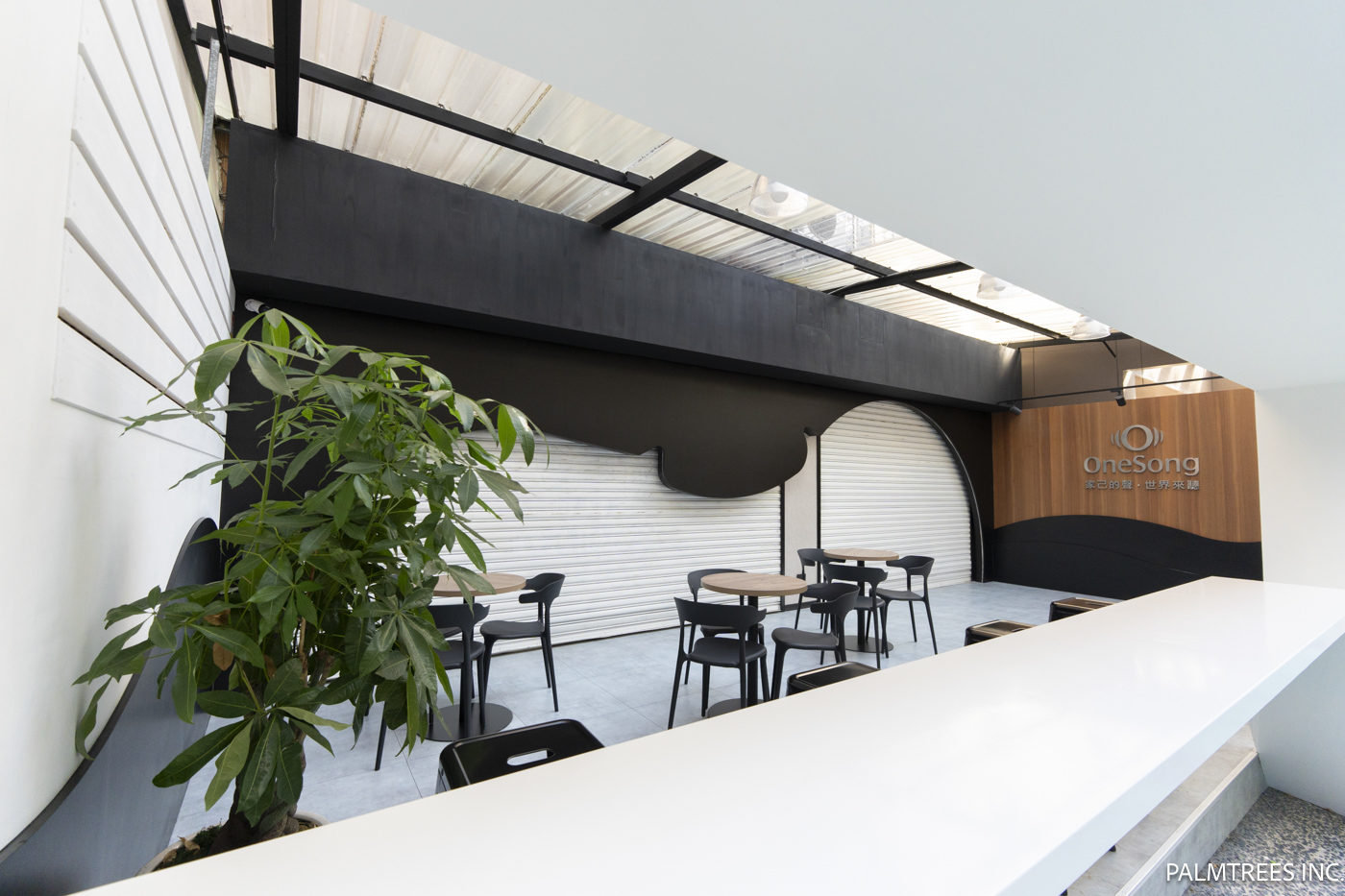
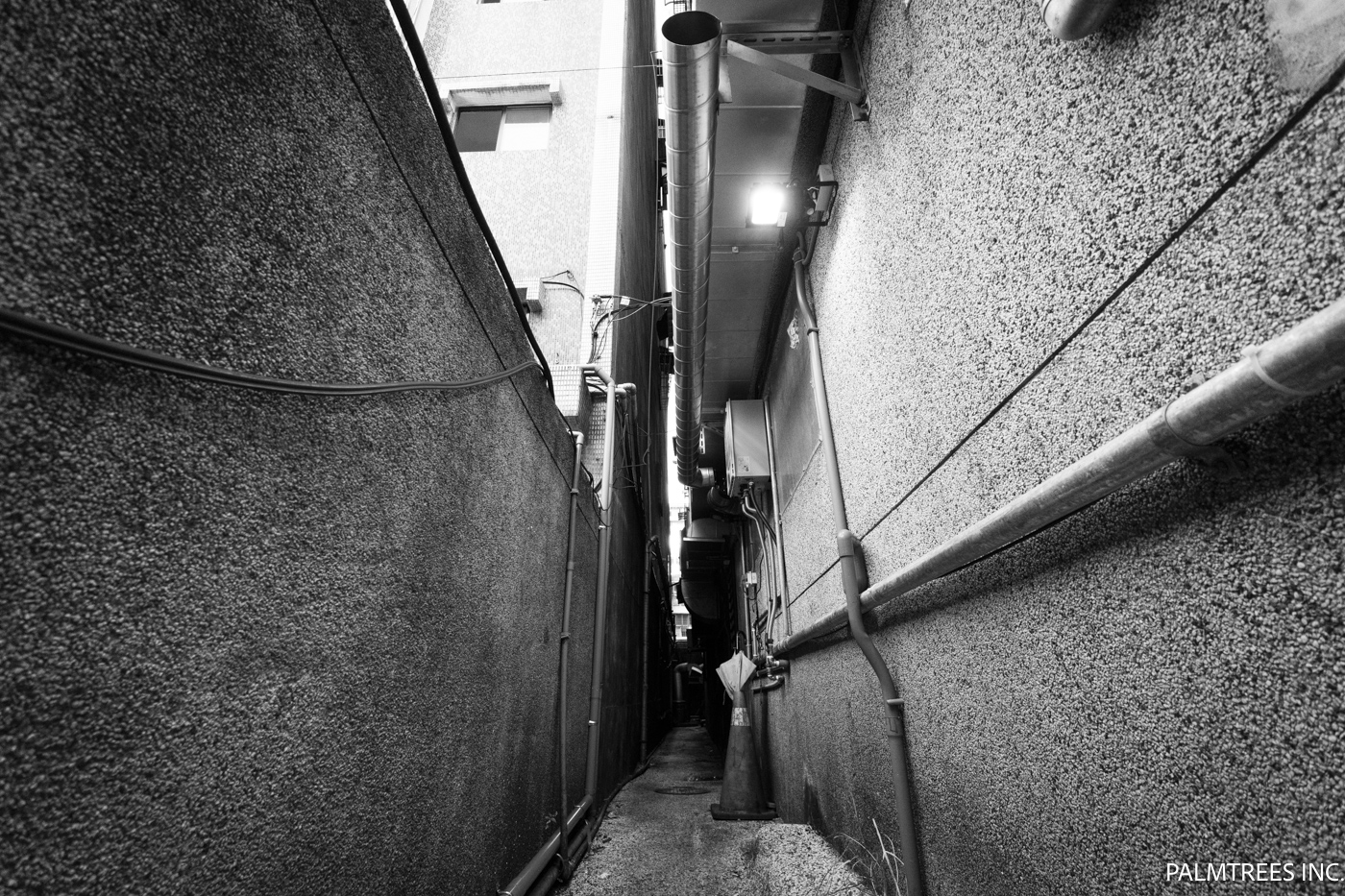
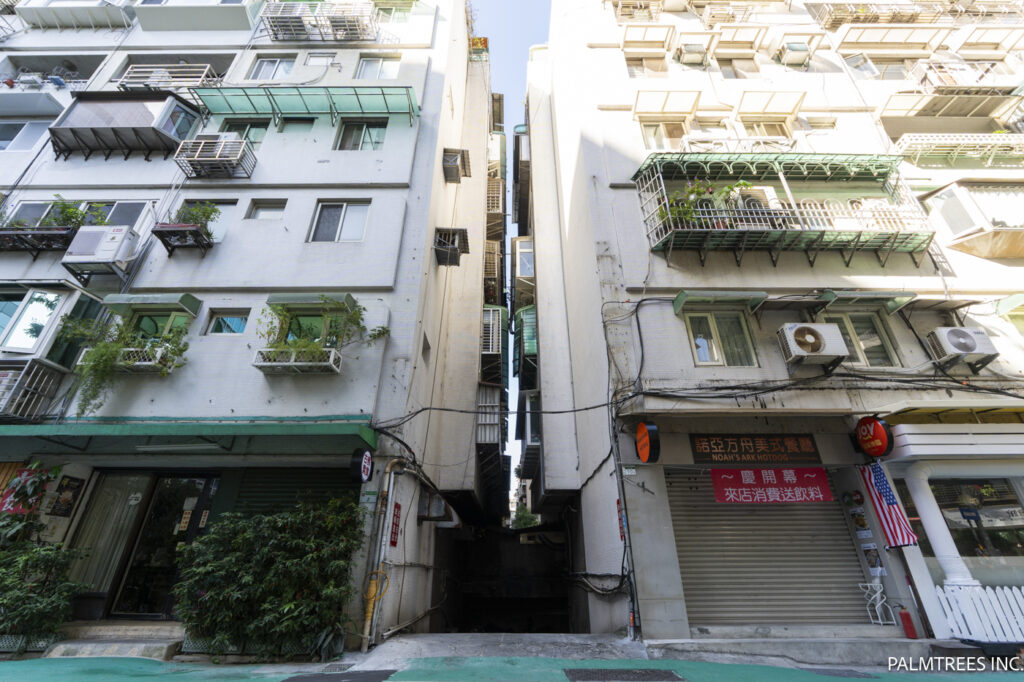
Sample Images
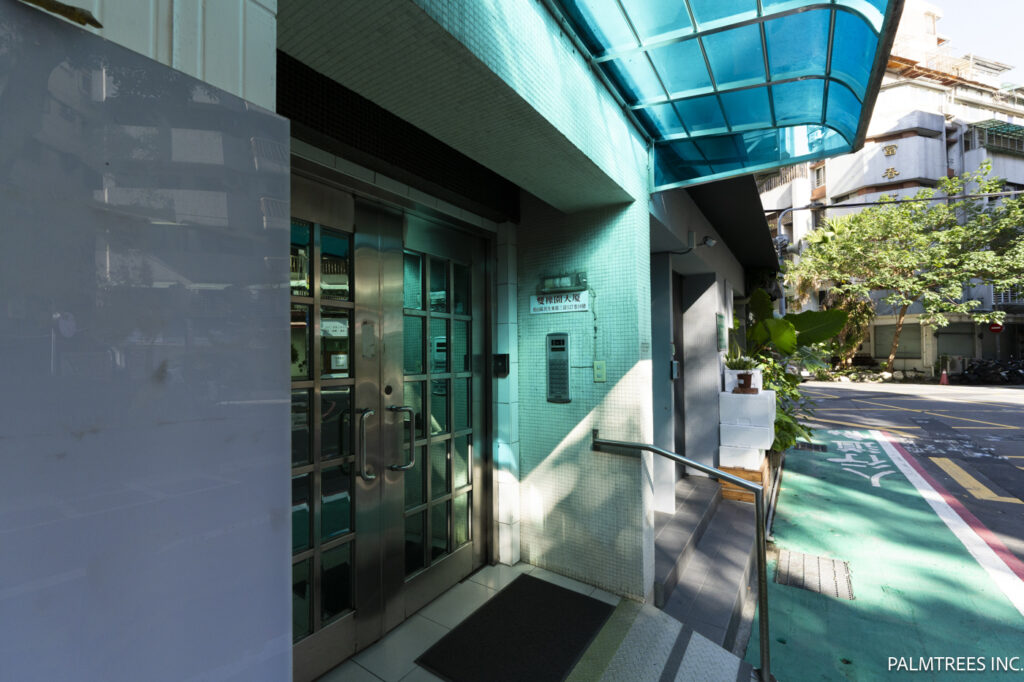
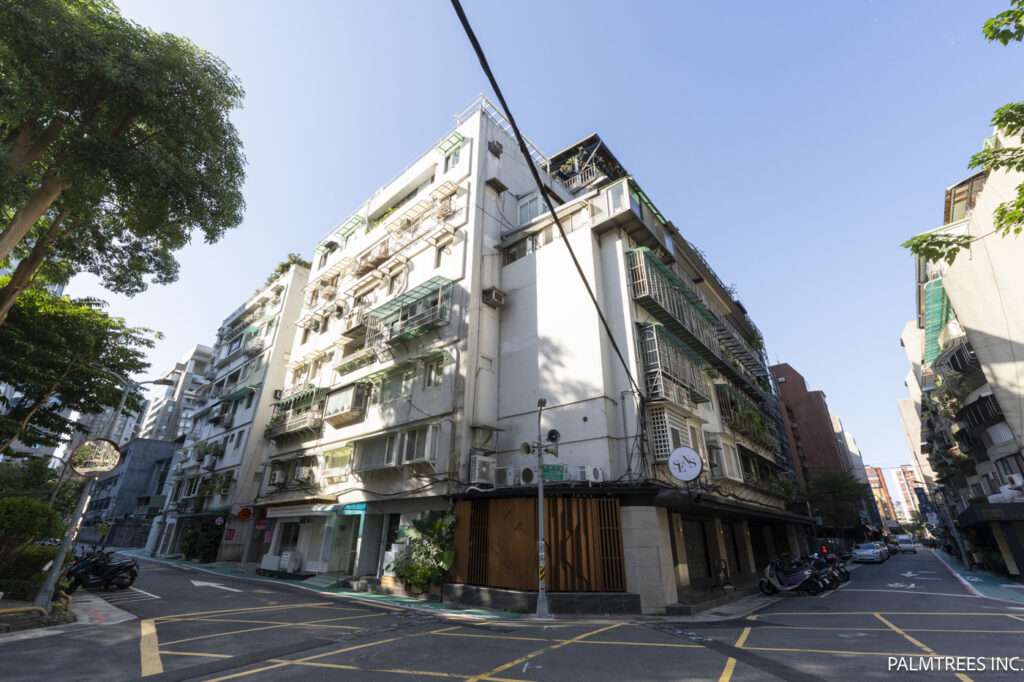
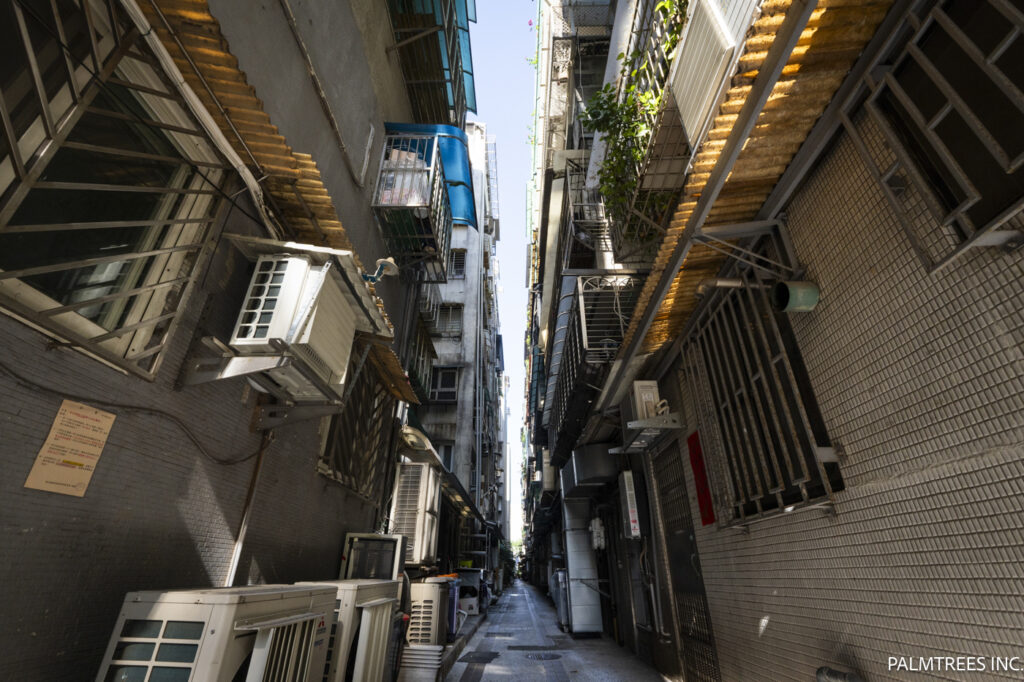
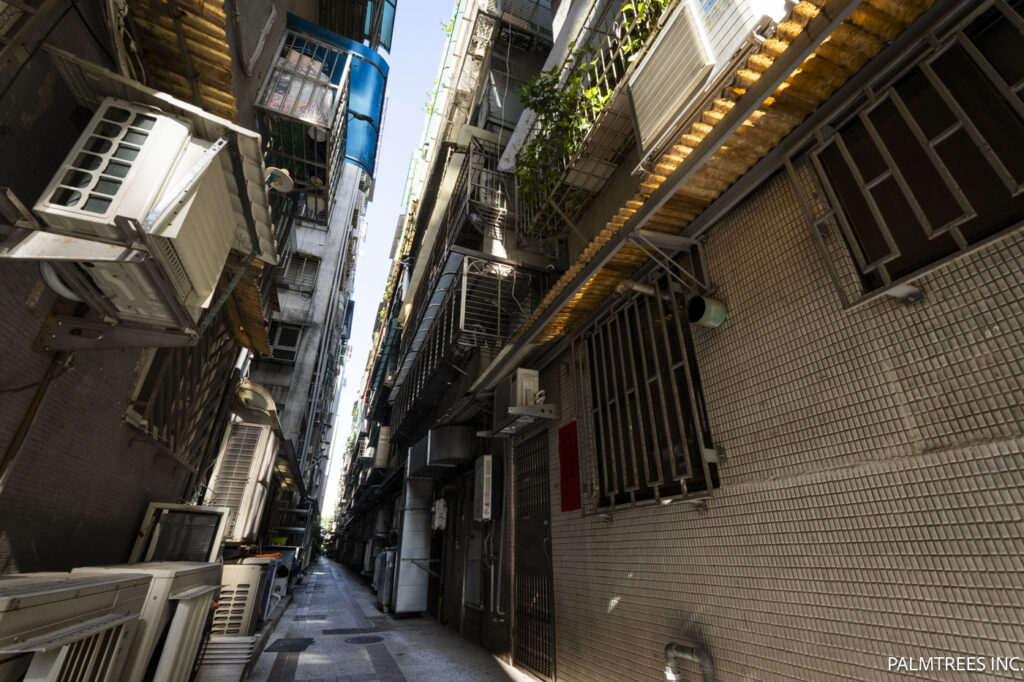
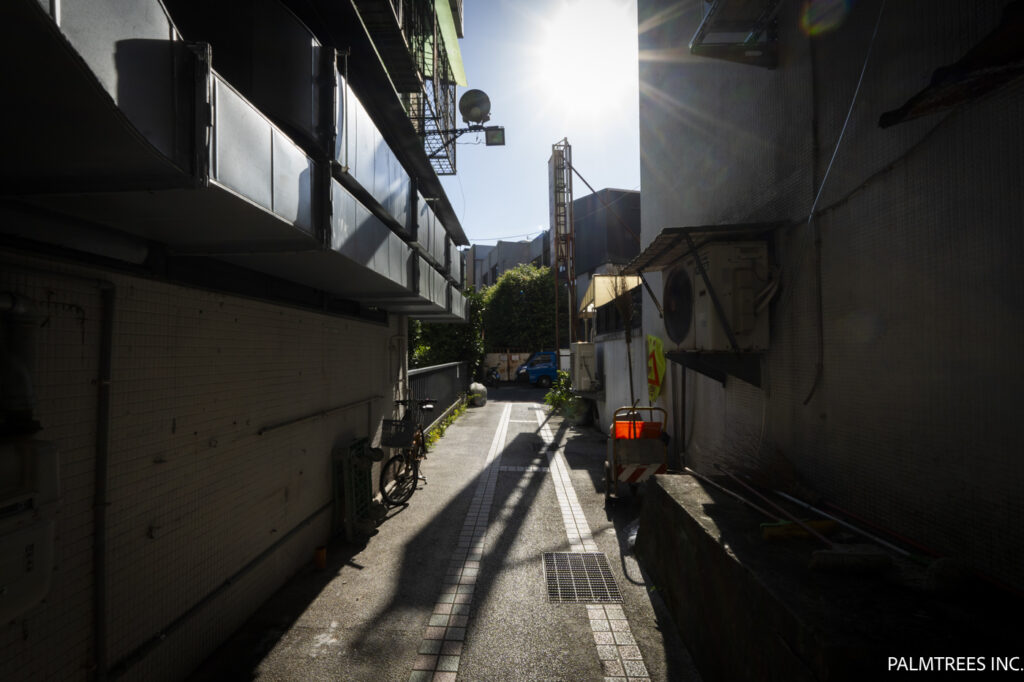
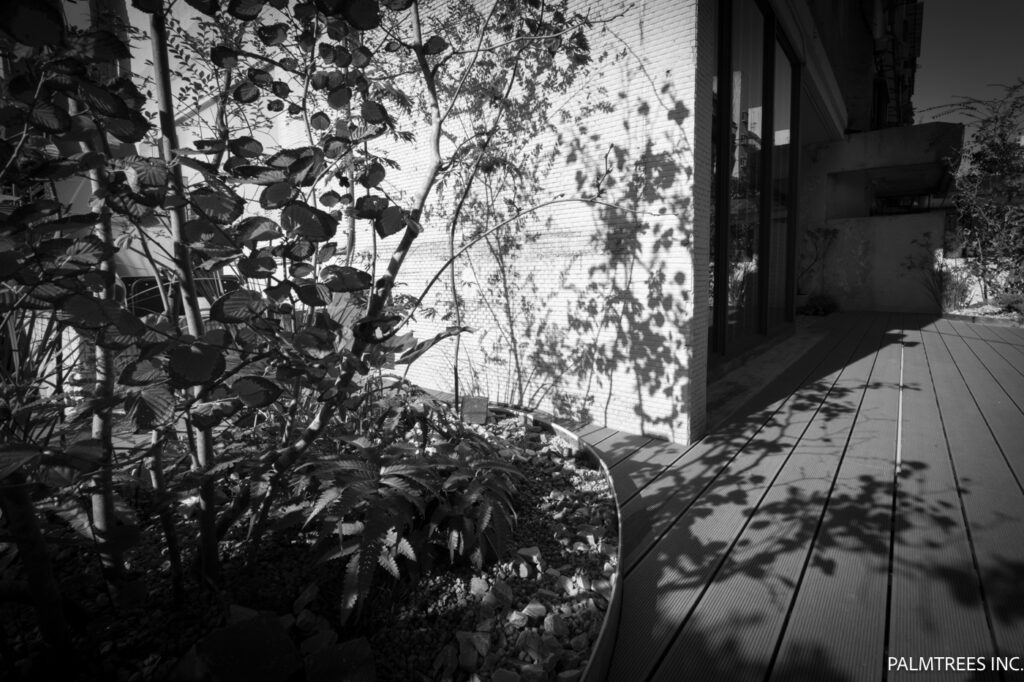
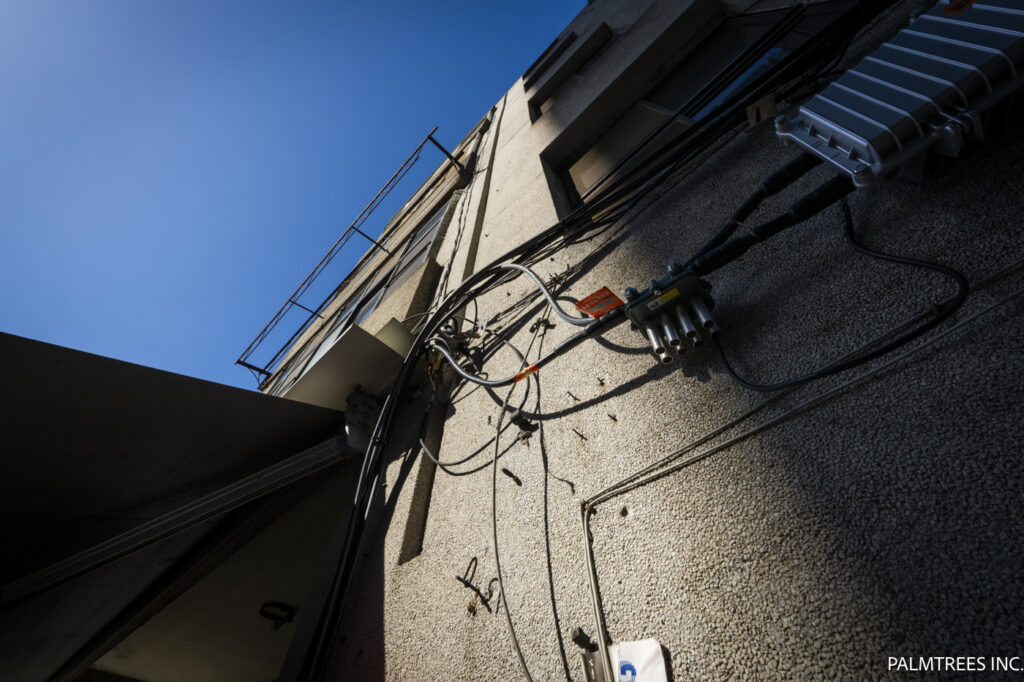
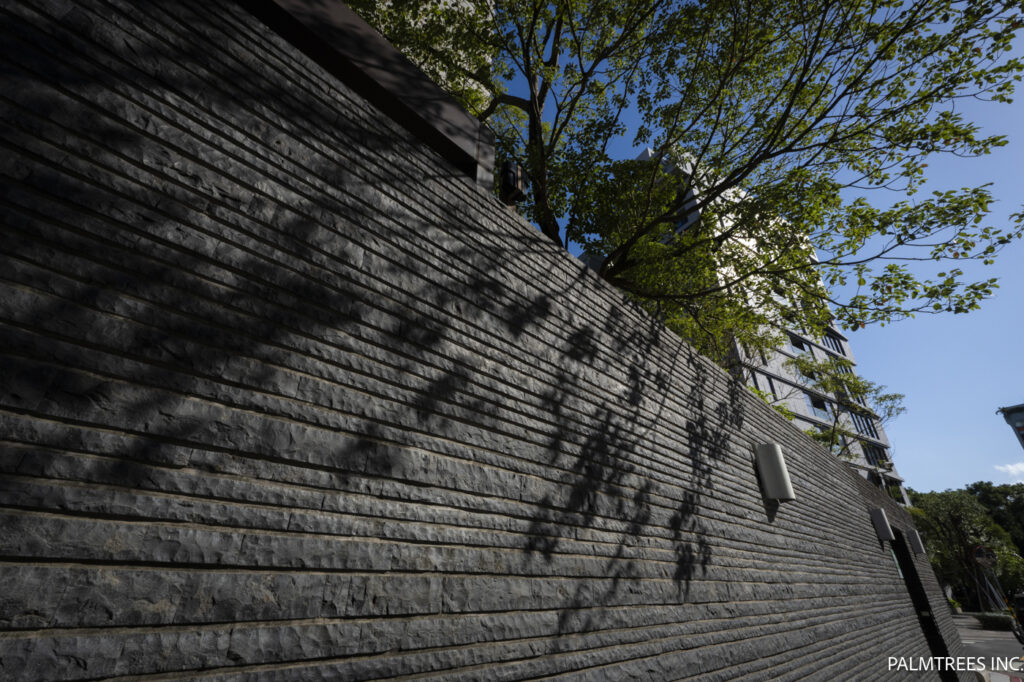
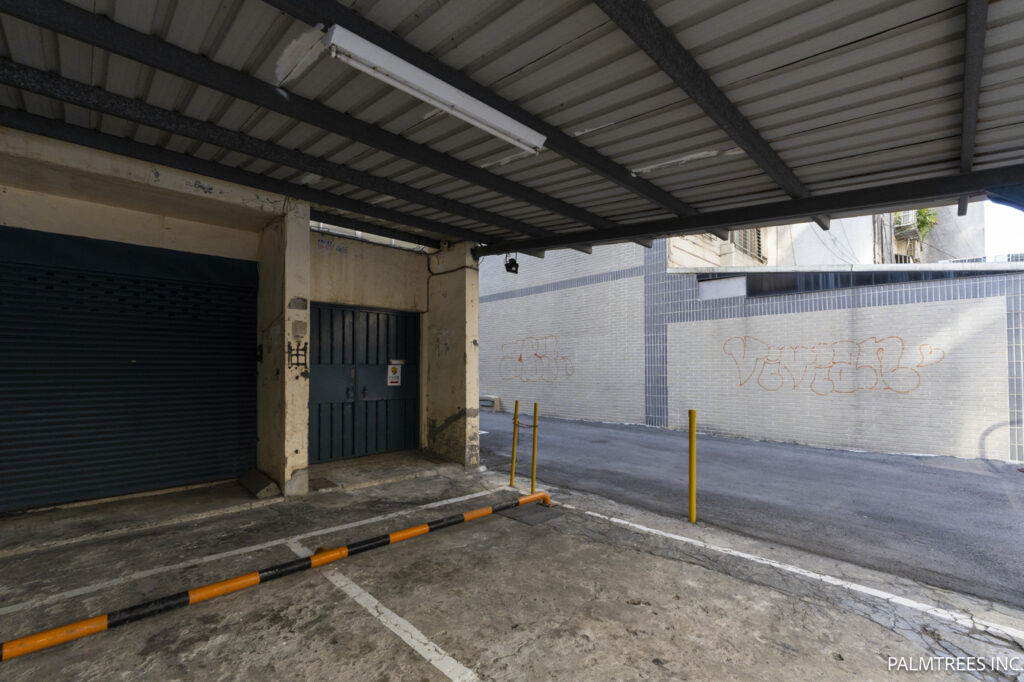
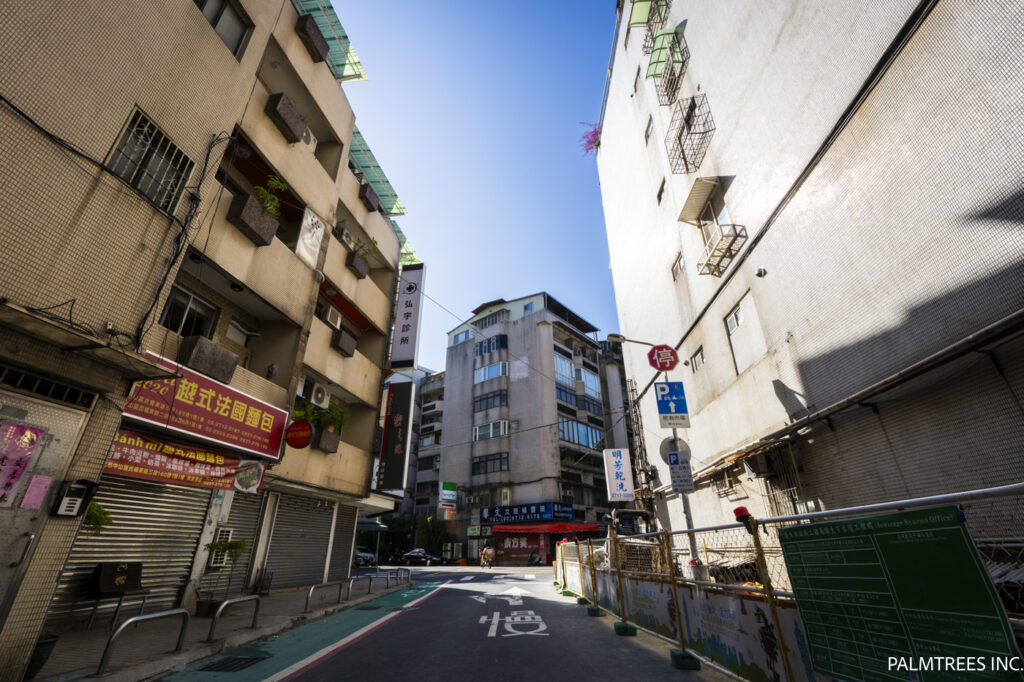
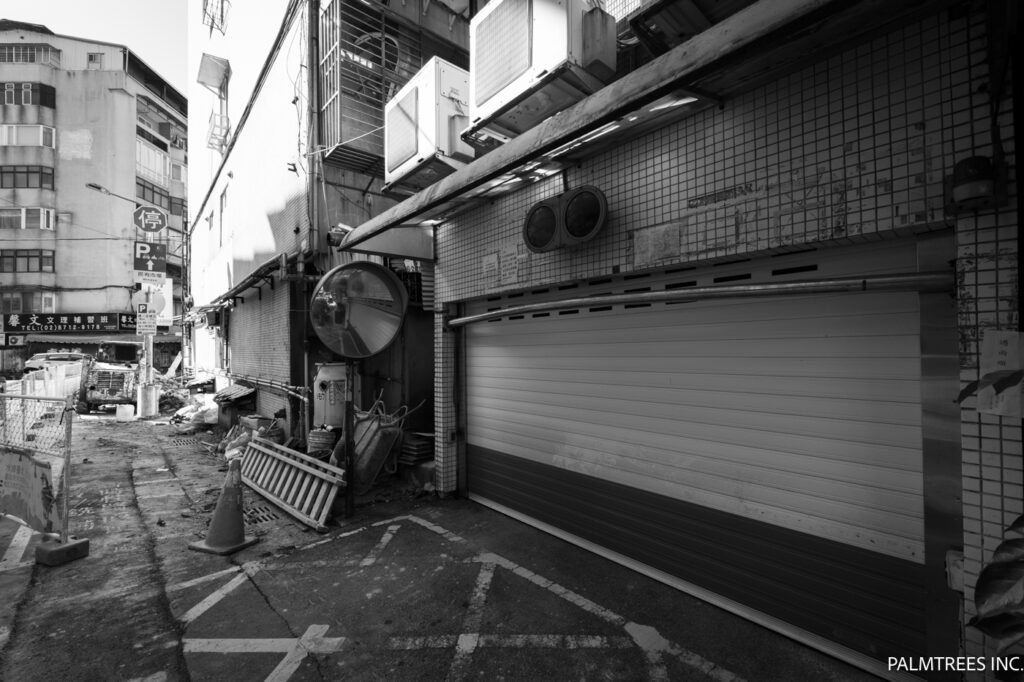
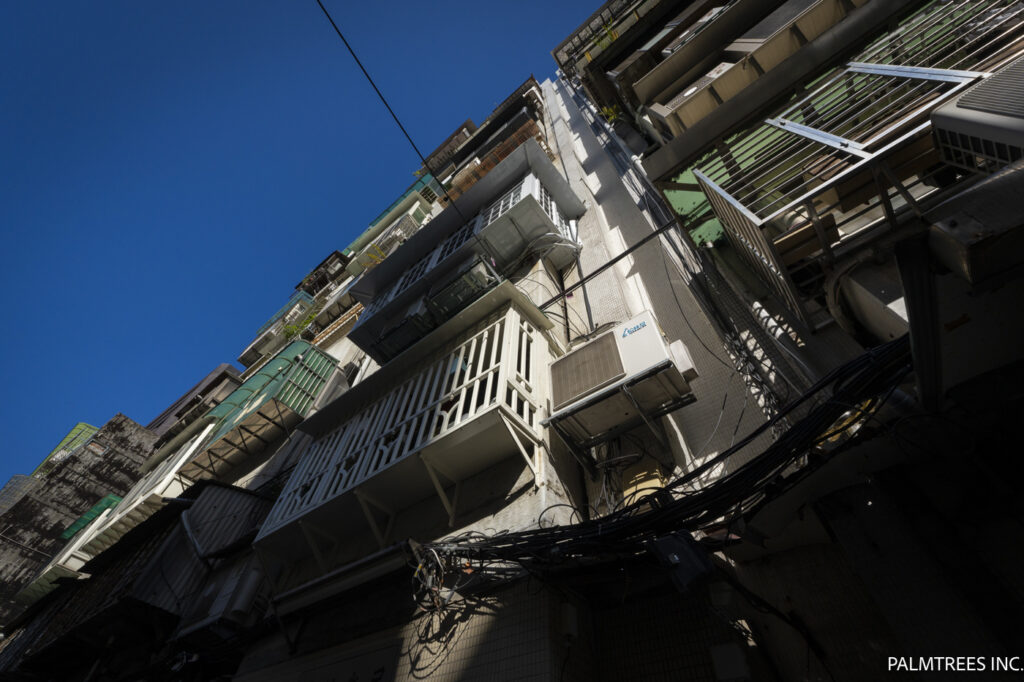
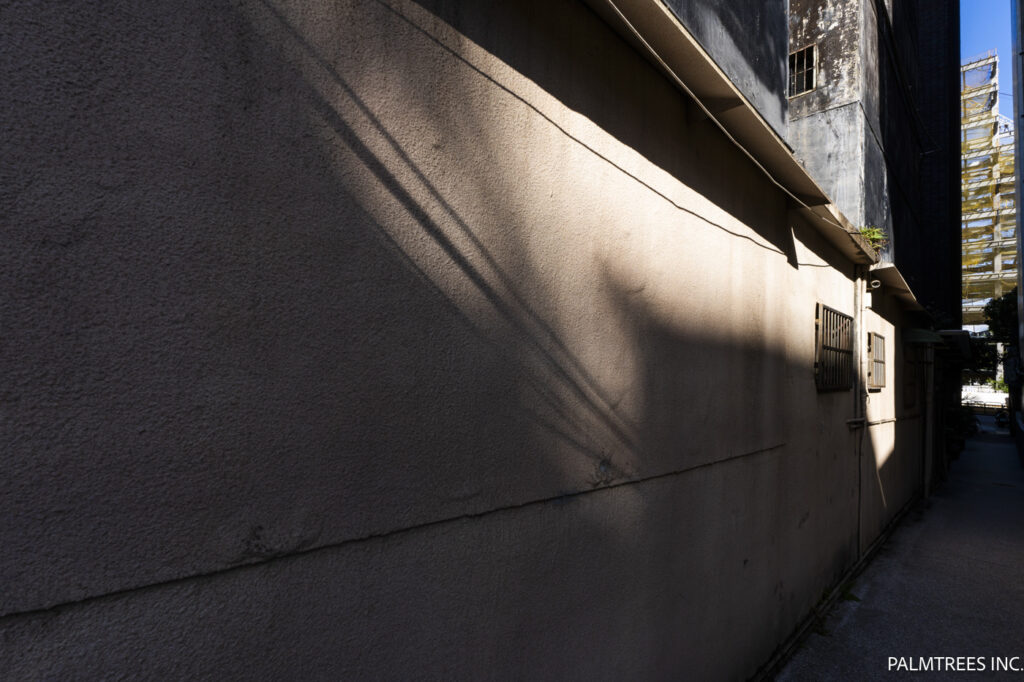
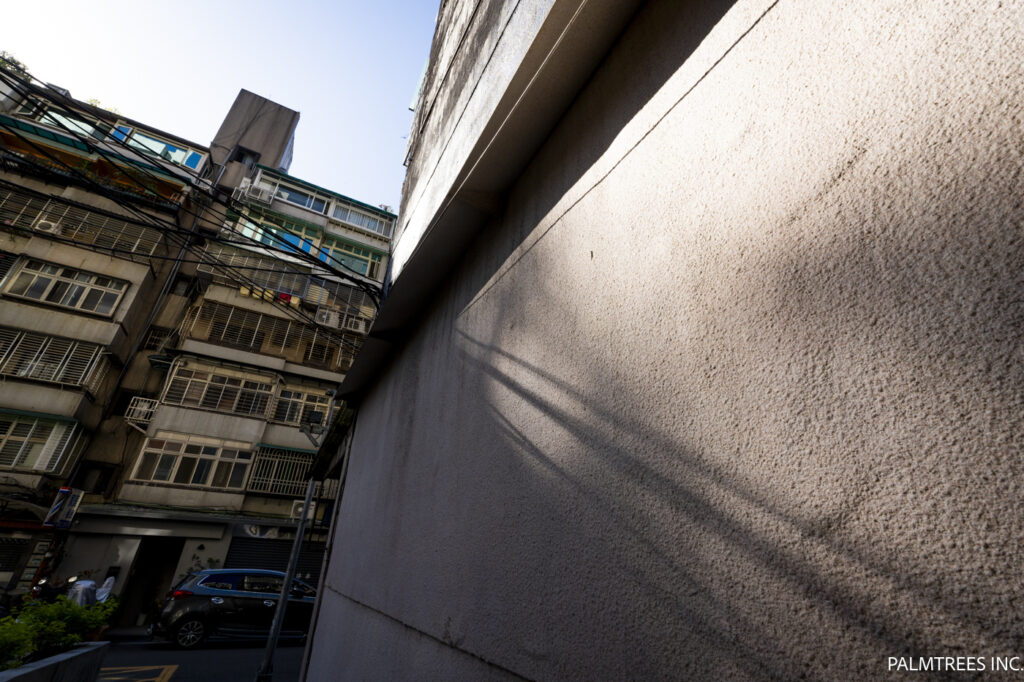
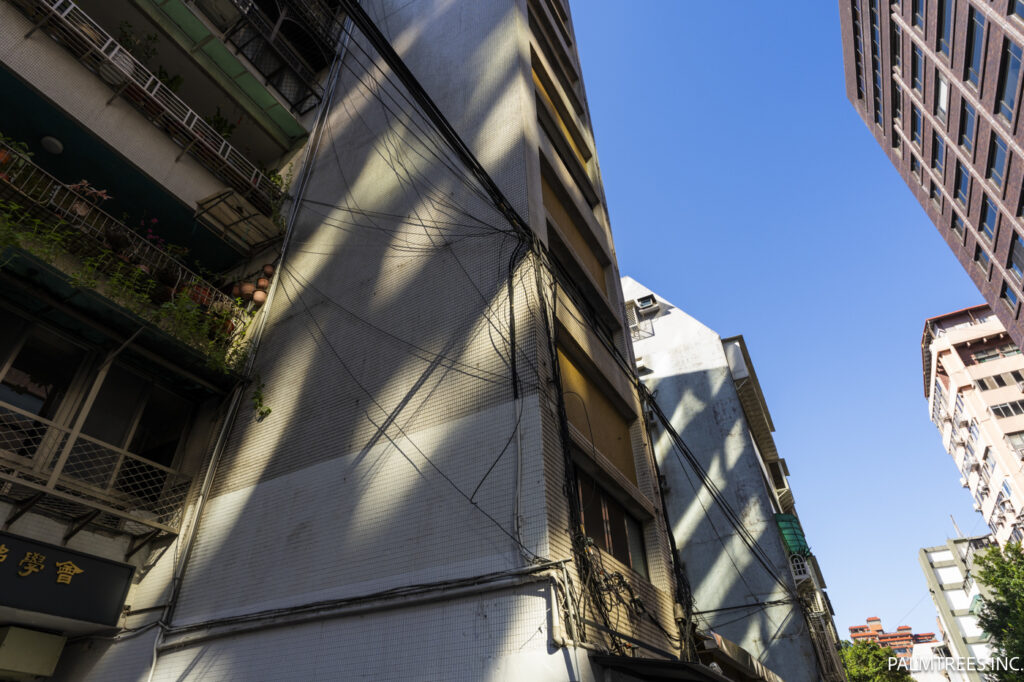
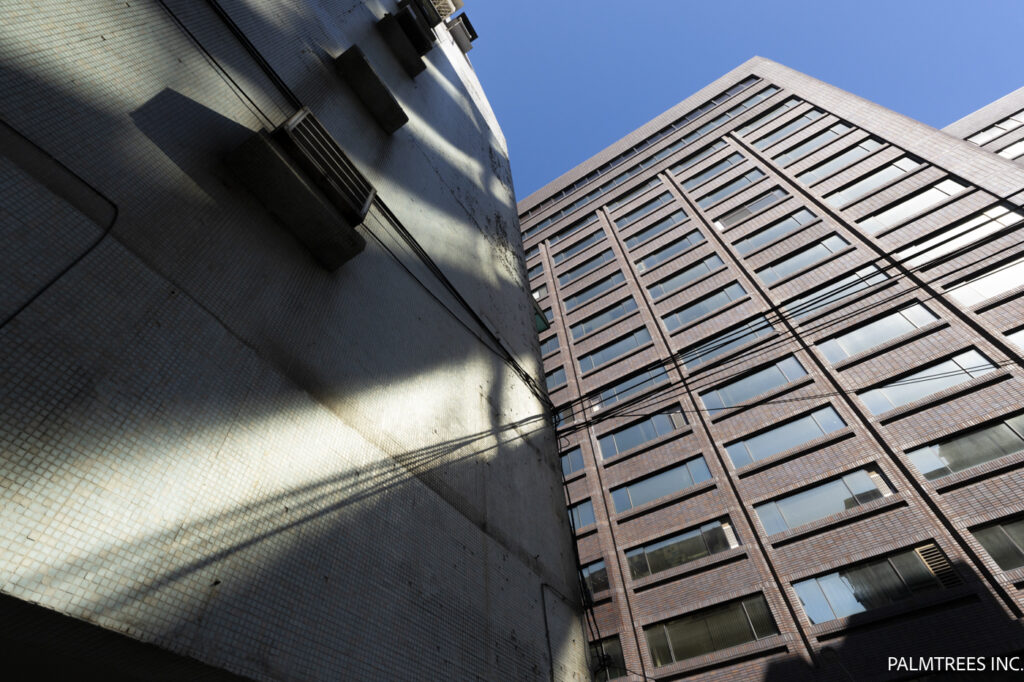
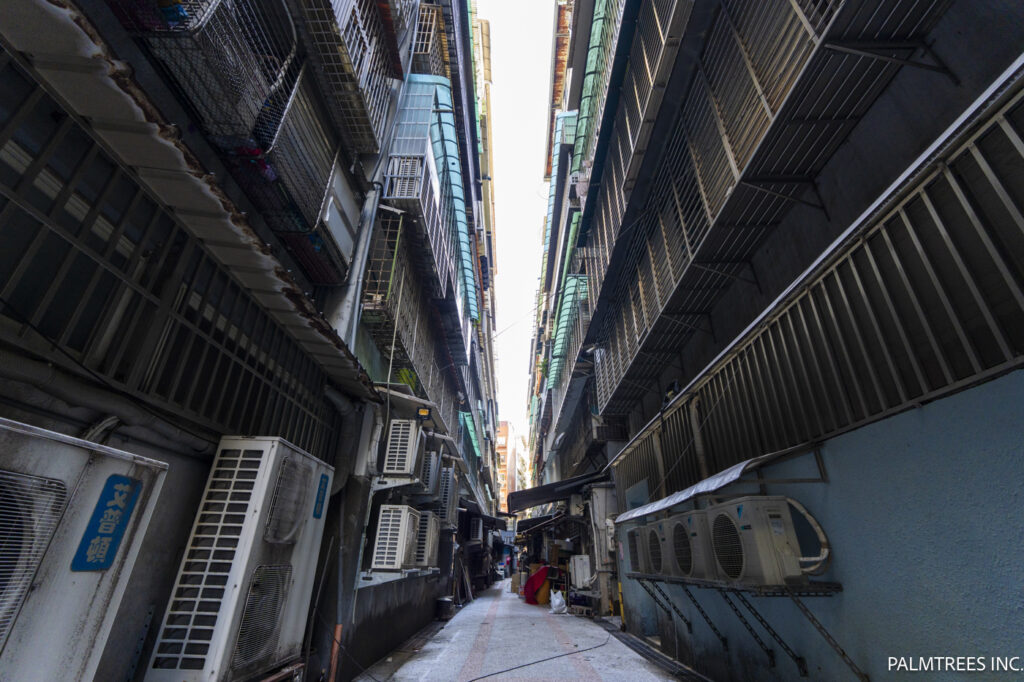

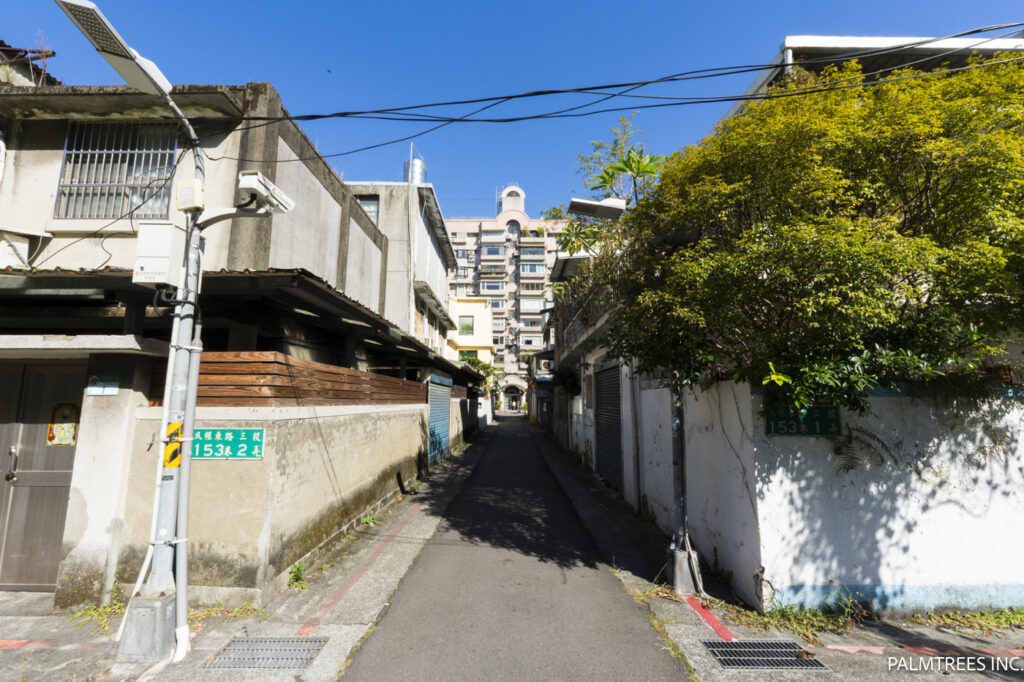
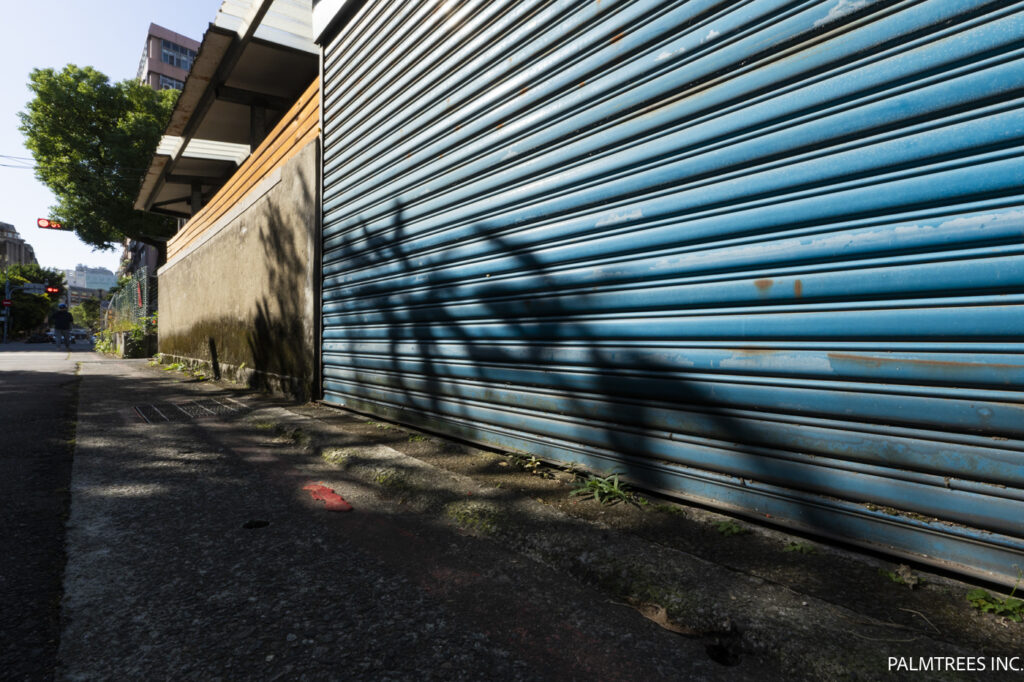
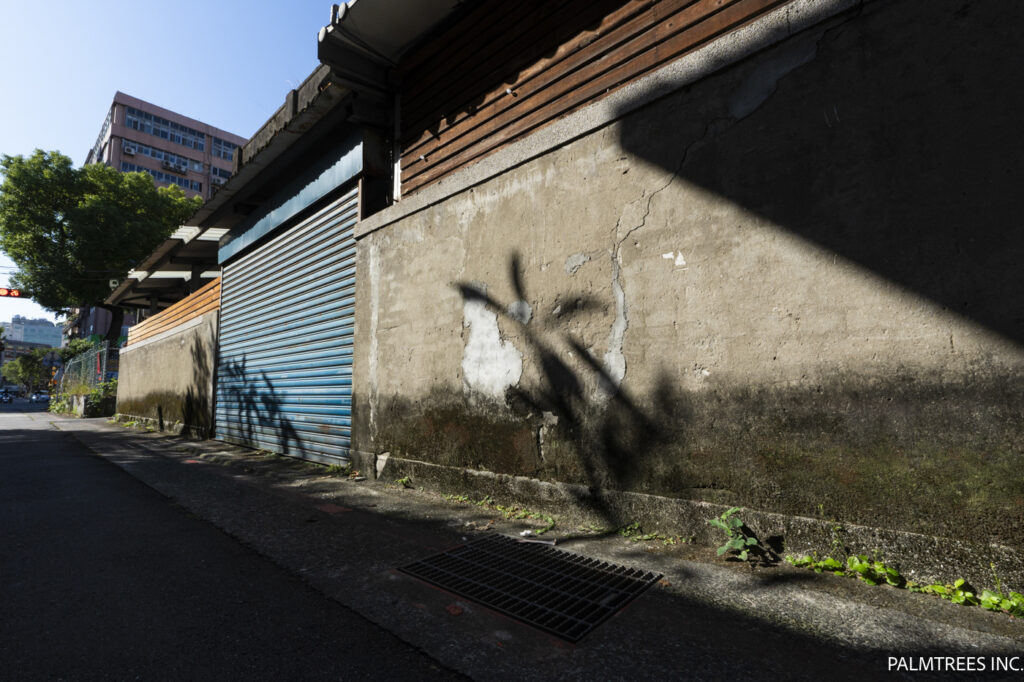
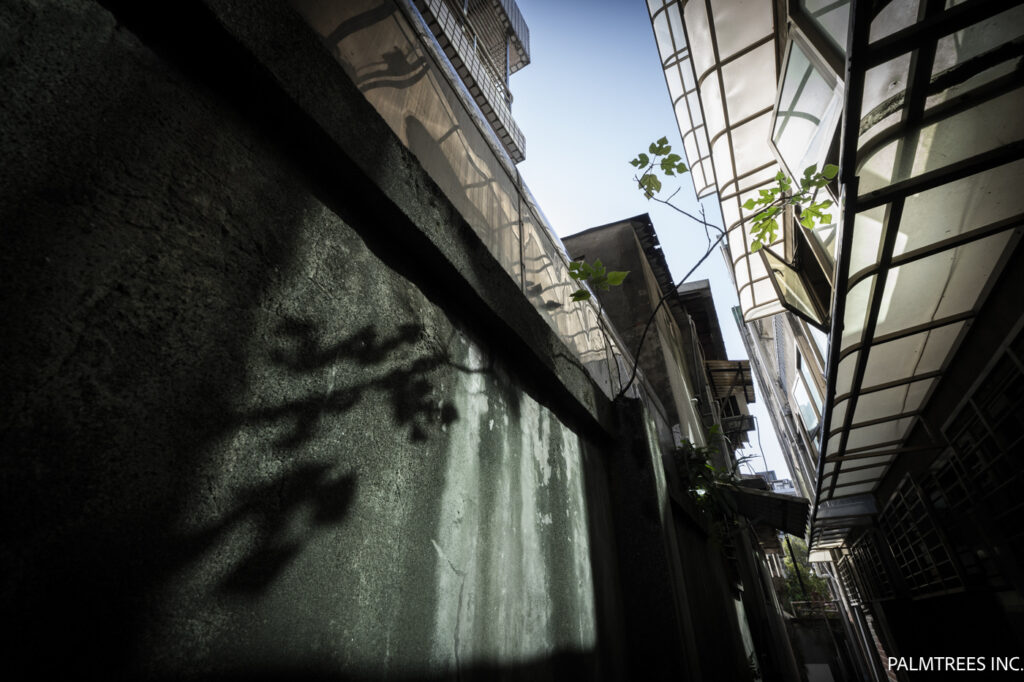
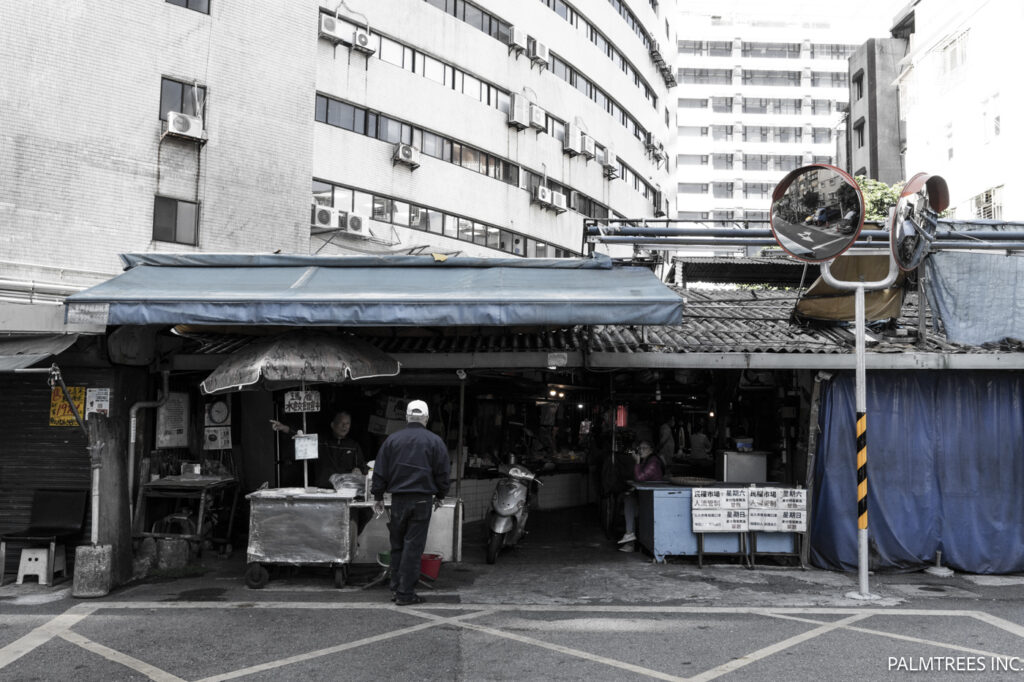
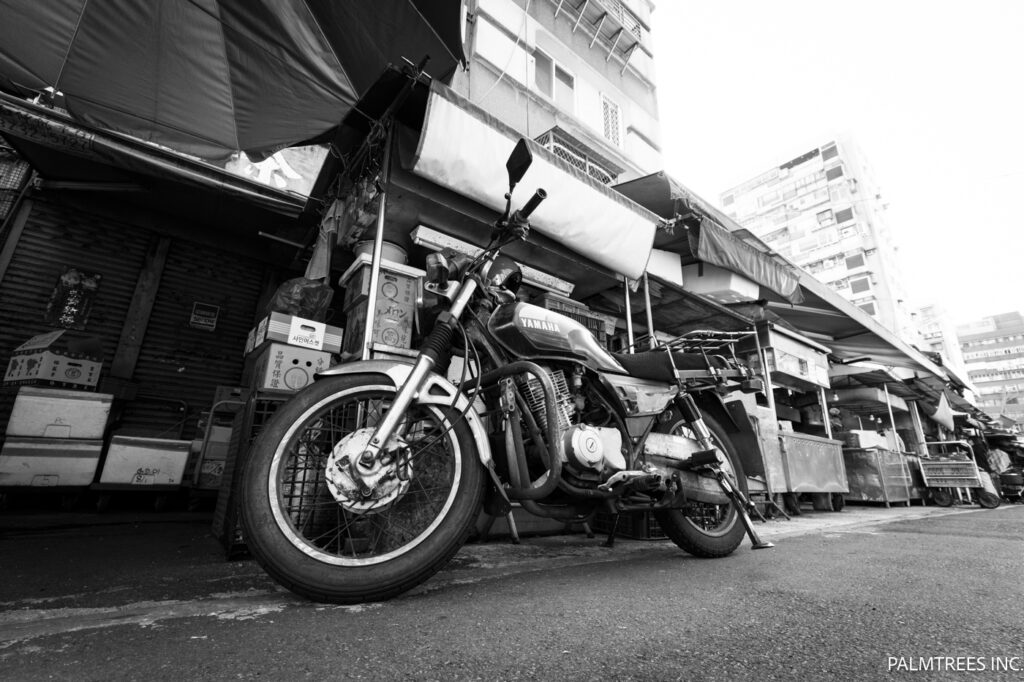
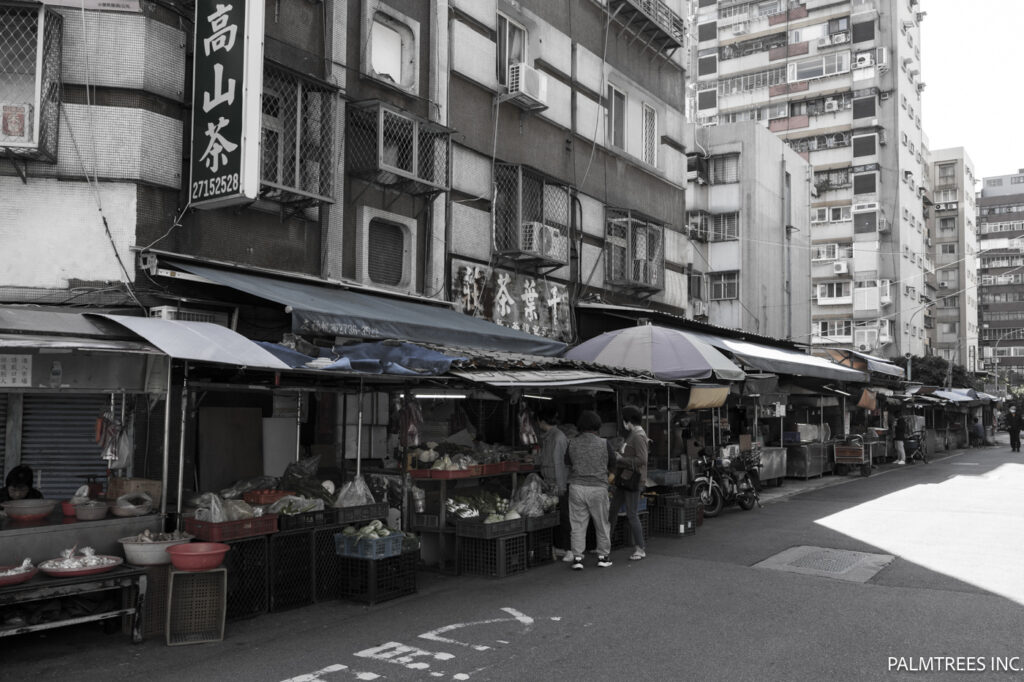
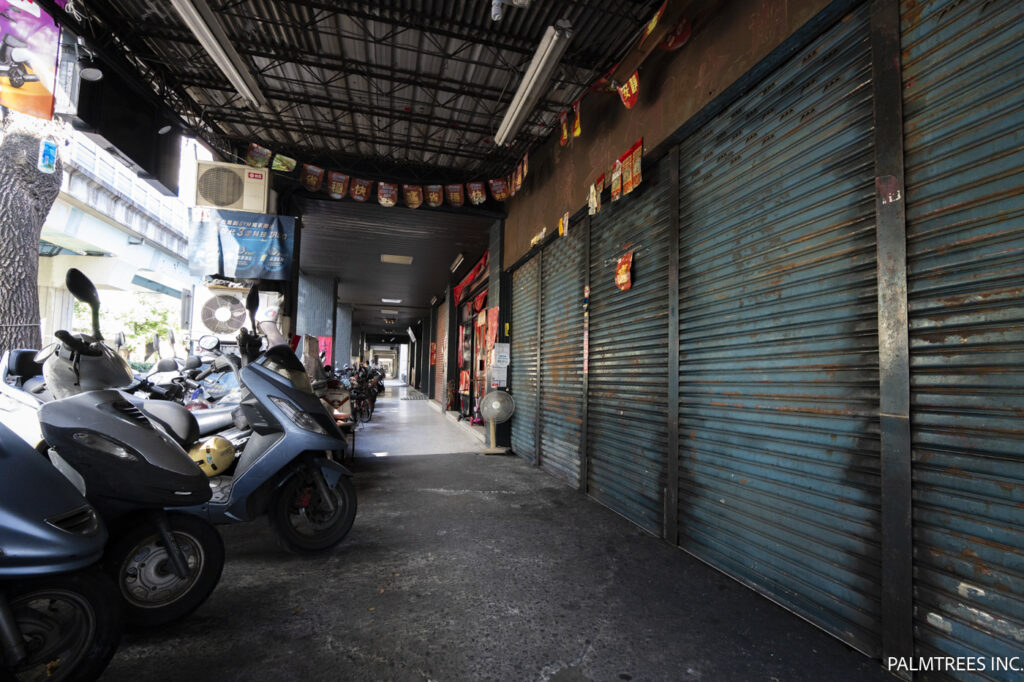
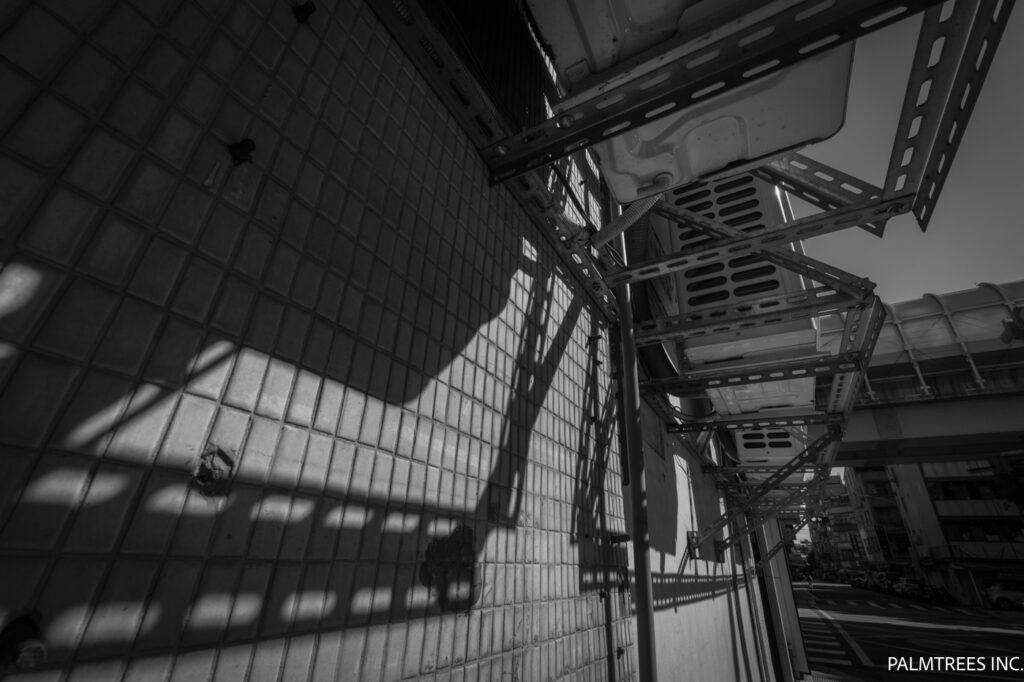
Impressions After One Year of Use
The main concern for many people is probably distortion. This lens is designed with software correction in mind,
so without lens profiles, you will see noticeable distortion at certain focal lengths.
However, once you apply the lens profile, the correction is excellent.
My honest impression is that “it’s well controlled for what it is.”
I use both Capture One and Lightroom, and the results are similar in both.
For situations where:
- you don’t need background blur with a wide lens
- the subject is too far for shallow depth of field anyway
- you want to intentionally shoot in APS‑C (1.5x crop)
—in those cases, I actively choose this lens.
I often mix images from this lens with those from my main camera,
the full‑frame α9 II, when delivering to clients. I’ve never received any complaints,
and I doubt clients can tell which camera produced which image (unless they check the EXIF).
That’s how far camera and lens performance has come.
APS‑C Is Not Inferior — It’s About How You Use It
Some people prefer the rendering of full‑frame—depth, atmosphere, micro‑contrast, etc.— but APS‑C is absolutely capable when used correctly.
For video, the lens weighs under 200g,
handles beautifully, offers power zoom, and delivers excellent image quality.
For ENG‑style handheld shooting, I often use Active Stabilization,
and even with the crop (approx. 18mm equivalent), the lens still provides a very usable wide angle.
If you’re looking for a wide‑angle APS‑C lens from SONY, this should definitely be on your shortlist.
Thank you for reading. See you again in the next article.
Nagasaka PalmTrees
PALMTREES INC.
https://www.palm-trees.co.jp/en/